
Top-Rated Foundation Repair Products For Enhancing Structural Safety
Identify proven products that help reinforce your home's foundation and ensure long-term safety and peace of mind.
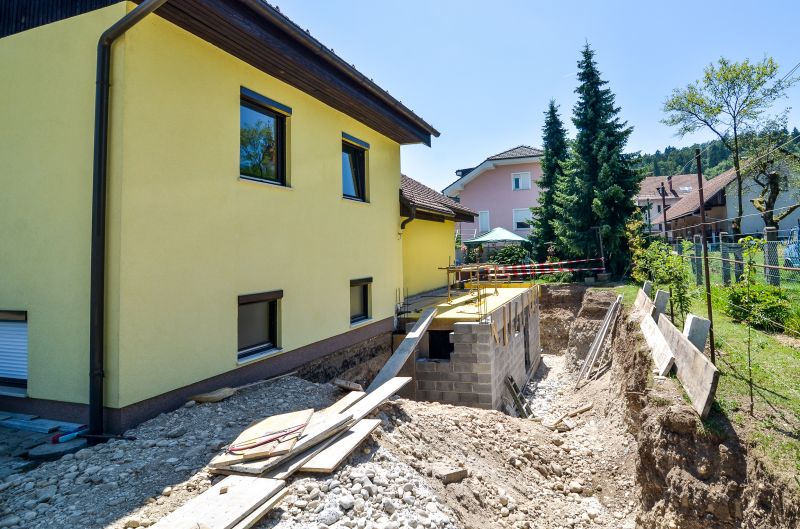 Foundation repairs are a critical aspect of maintaining the structural integrity of a building, especially in areas prone to soil movement or moisture fluctuations. A variety of products are available to address different types of foundation issues, from minor cracks to significant shifts. These products are designed to stabilize, lift, or reinforce foundations, helping to prevent further damage and ensure safety. When considering foundation repair solutions, it is important to evaluate the specific needs of the property, the severity of the problem, and the long-term durability of the products used.
Top Overall Option
Foundation Stabilization System
A versatile foundation stabilization system combines multiple components such as piers, anchors, and reinforcement beams to address various foundation issues. It offers a comprehensive approach to lifting and stabilizing foundations, suitable for different soil and structural conditions. These systems are designed for durability and can be adapted to specific repair needs, providing a reliable solution for property owners seeking a long-term fix.
Types of Products For Foundation Repairs
Epoxy Crack Injection Kits
Used to seal and reinforce small cracks in concrete foundations, these kits help prevent water intrusion and further deterioration.
Pillar and Pier Systems
Support structures designed to lift and stabilize sinking or settling foundations, often installed beneath the foundation.
Underpinning Materials
Materials such as concrete or steel piles used to extend the foundation's support deeper into stable soil.
Carbon Fiber Reinforcement Strips
Flexible strips applied to concrete surfaces to reinforce and prevent cracking or spalling.
Liquid Concrete Patching Compounds
Used for filling larger cracks or minor surface repairs to restore integrity.
Hydraulic Lifting Jacks
Tools used to lift and level uneven foundations during repair procedures.
Soil Stabilization Products
Chemical or mechanical solutions aimed at improving soil stability around the foundation.
Drainage and Waterproofing Systems
Products designed to divert water away from the foundation and prevent moisture-related issues.
Helical Piles
Deep foundation supports that can be installed quickly and adapt to various soil conditions.
Grout and Sealants
Materials used to fill voids and seal joints to prevent water infiltration and further damage.
Base Jacking Systems
Adjustable jacks used to lift and level foundations with precision.
Concrete Repair Mortars
High-strength mortars for repairing damaged concrete surfaces of foundations.
Vibration and Compaction Equipment
Tools used to improve soil density and stability around foundation areas.
Drainage Pipe Systems
Installations that facilitate proper water flow away from foundation structures.
Anchor Bolts and Straps
Components used to secure foundation walls and prevent shifting.
Popular Choices
Widely used for sealing small cracks and preventing water intrusion.
Commonly selected for lifting and stabilizing settling foundations.
Popular for their adaptability and quick installation in various soil conditions.
Favored for their ease of application and reinforcement capabilities.
Frequently used to support and reinforce existing foundations.
Essential tools for leveling and lifting foundations during repair work.
Commonly applied to protect foundations from moisture damage.
Popular for filling voids and stabilizing soil around foundations.
Important for managing water flow and reducing soil movement.
Frequently used for surface repairs and crack filling.
Chosen for enhancing soil strength and reducing shifting.
Popular for precise leveling of uneven foundations.
Commonly used to secure foundation walls and prevent shifting.
Used to densify soil and improve support around foundations.
Widely implemented to improve water management.
Frequently chosen for sealing joints and cracks.
Complete kits that include various tools and materials for minor repairs.
Many foundation repair products are engineered to work in conjunction with professional assessments, yet some homeowners may opt for DIY options for minor repairs. These products can include epoxy injections for cracks, underpinning materials for stabilization, and various types of jacks or lifting systems. Proper installation and understanding of each product's capabilities are essential for achieving effective results. Additionally, selecting the right product depends on factors such as soil type, foundation type, and the extent of damage.
In regions like New Albany, IN, where soil conditions can vary, using the appropriate foundation repair products is vital. Consulting with local specialists can provide insights into the most suitable solutions for specific environmental conditions. While some products are designed for temporary fixes, others offer long-lasting reinforcement, making them a valuable part of a comprehensive foundation maintenance plan. Properly chosen and installed foundation repair products can help preserve the property's value and safety over time.
Key Buying Considerations
- Assess the severity and type of foundation issues before selecting products.
- Consider the soil conditions and how they may influence repair options.
- Determine whether a DIY approach is feasible or professional intervention is recommended.
- Evaluate the long-term durability and compatibility of repair materials with existing foundation structures.
- Check the product's capacity to support the weight and structural demands of your property.
- Review installation requirements and whether specialized tools or skills are needed.
- Consider moisture control features if water intrusion or drainage is a concern.
- Look for products that allow for future adjustments or repairs if necessary.
- Ensure that the products are suitable for your foundation type, such as concrete, pier, or basement.
- Evaluate the manufacturer's reputation and product warranties for peace of mind.
- Be mindful of local building codes and regulations related to foundation repairs.
- Estimate the overall project cost, including materials, tools, and potential professional services.
- Think about the environmental conditions, such as humidity and temperature, that may affect product performance.
- Determine if the product can be integrated with existing foundation systems or repair methods.
- Prioritize products that have clear instructions and support from manufacturers for proper installation.